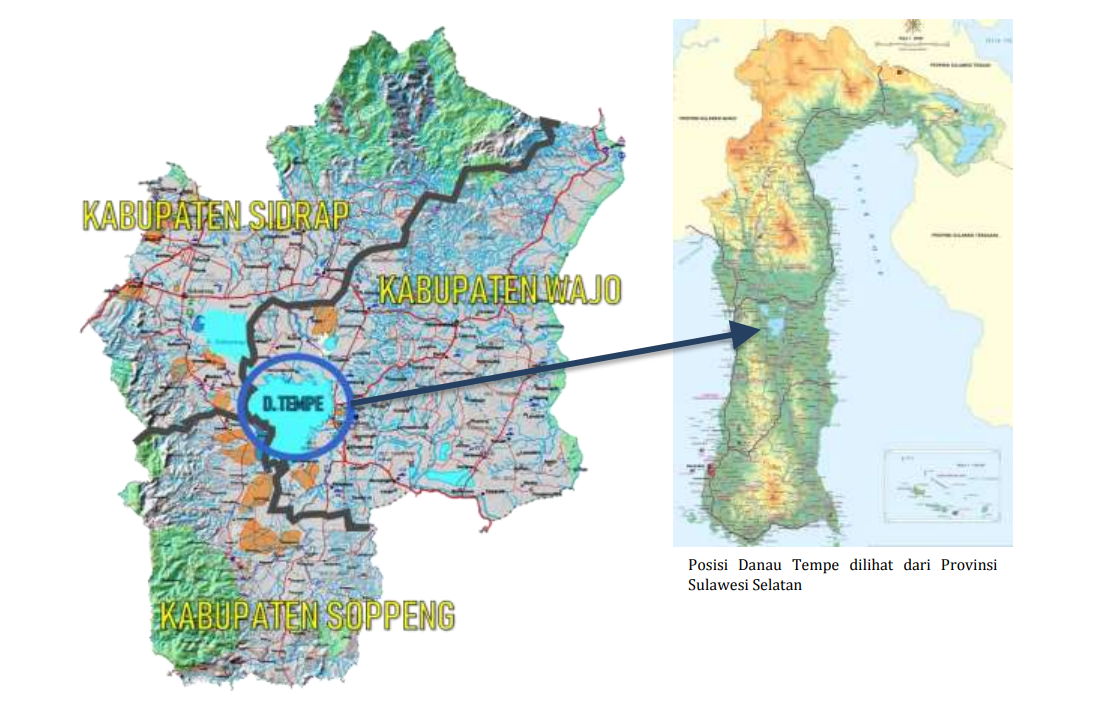
Tempe Lake in Wajo, Sappa Village
Location
208,4 kilometers away from Makassar city , Tempe Lake, a mesmerizing body of water, unfolds its scenic beauty across a sprawling low-lying expanse, strategically poised to function as a crucial reservoir orchestrating the convergence of waters from myriad sources. This enchanting lake assumes the central role of gracefully receiving the meandering flow of the Bila River, embracing contributions from the sinuous Walanae River, and facilitating the amalgamation of numerous smaller tributary rivers that elegantly wind their way through the surrounding landscape. The captivating region enveloping Tempe Lake not only extends its reach over the vast territories of Wajo Regency, Soppeng Regency, and Sidrap Regency but also imparts both geographical and cultural significance to this harmonious aquatic haven.
The geographical grandeur of Tempe Lake is further accentuated by its role as a nexus, where the diverse waterways converge, creating a dynamic and thriving ecosystem. This picturesque reservoir, framed by the lush landscapes of South Sulawesi, not only sustains the ecological balance but also weaves a narrative of cultural richness. The surrounding communities, deeply intertwined with the lake's vitality, contribute to the cultural tapestry, adding layers of tradition and heritage to this aquatic haven. Tempe Lake thus emerges not just as a scenic wonder but as a living testament to the intricate interplay between nature and culture, fostering a sense of connection and appreciation for the profound significance it holds in the hearts of the local populace.
Environment
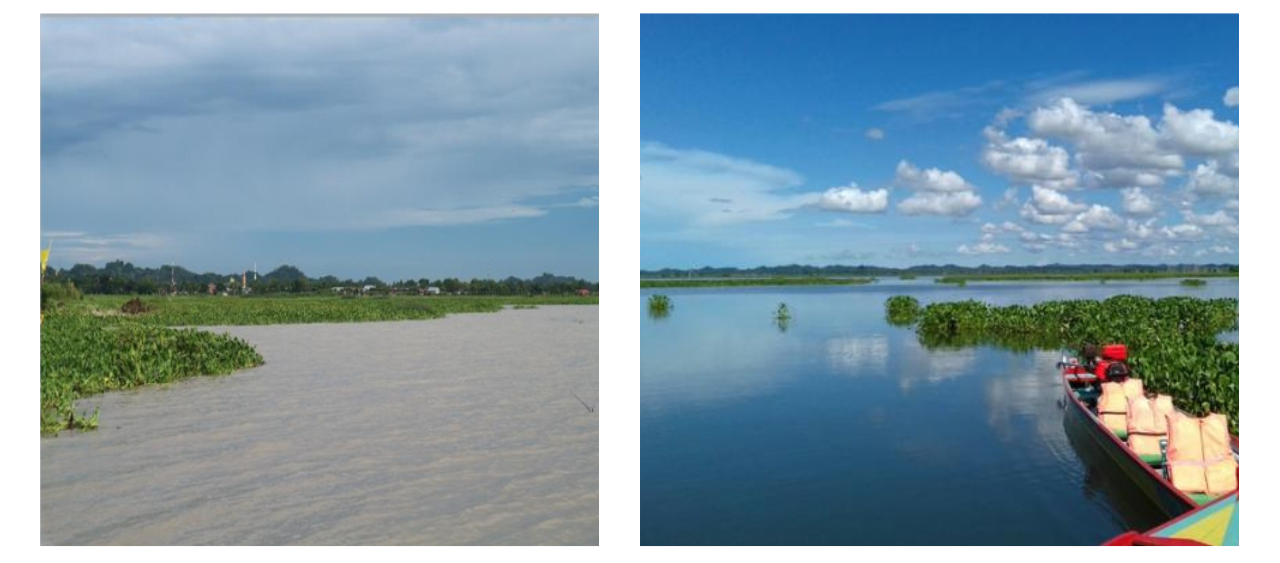
Tempe Lake's tranquil beauty serves not only as a visual spectacle but also as a vital lifeline for the local communities along its shores. Stretching across Wajo Regency, Soppeng Regency, and Sidrap Regency, the lake acts as a stunning natural reservoir, playing a pivotal role in the economic tapestry of the area. Its waters, formed by the confluence of the Bila River, the meandering Walanae River, and various tributaries, create an aquatic haven that supports a vibrant fishery. The rich biodiversity of Tempe Lake sustains a myriad of fish species, forming the backbone of the local economy as fishing communities thrive on the bounty of the lake.
Beyond its economic significance, Tempe Lake is a wellspring of life-sustaining freshwater for the local populace. The communities surrounding the lake rely on its waters for agriculture, daily domestic needs, and a host of other activities. As the heartbeat of the region, the lake weaves a story of interdependence, where the prosperity of the people is intricately linked to the health and abundance of its aquatic ecosystem. Preserving the delicate balance between environmental conservation and economic activities is not just an ecological imperative but a commitment to safeguarding the very essence of life for those who call the shores of Tempe Lake home.
Conservation
The urgency of conservation efforts for Tempe Lake is accentuated by the imminent threat of sedimentation, an escalating issue that demands immediate attention. Sedimentation, the gradual accumulation of sediment in the lake, poses a significant risk to the water quality and overall health of the ecosystem. Excessive sedimentation can lead to the shallowing of the lake, diminishing its capacity to store water and exacerbating the challenges faced by local communities dependent on its resources.
By embracing conservation initiatives, we embark on a proactive journey to mitigate sedimentation and preserve the ecological integrity of Tempe Lake. Implementing measures to reduce soil erosion in the surrounding areas, advocating for sustainable land use practices, and promoting community awareness are integral components of our strategy. Through these concerted efforts, we not only seek to prevent further degradation of water quality but also contribute to the overall rejuvenation of Tempe Lake, safeguarding its role as a lifeline for both the environment and the communities it sustains.
Benefit and Impact
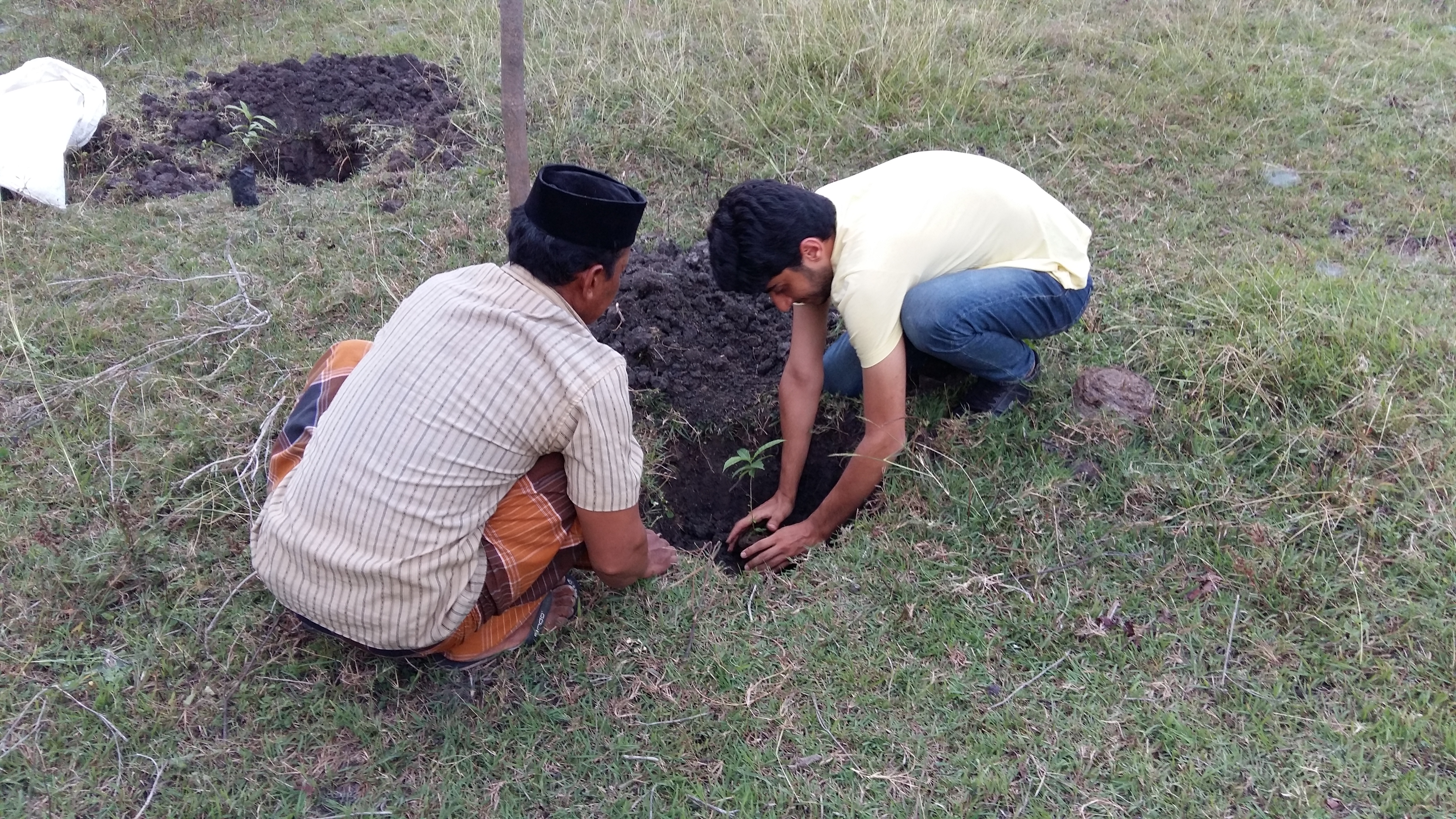
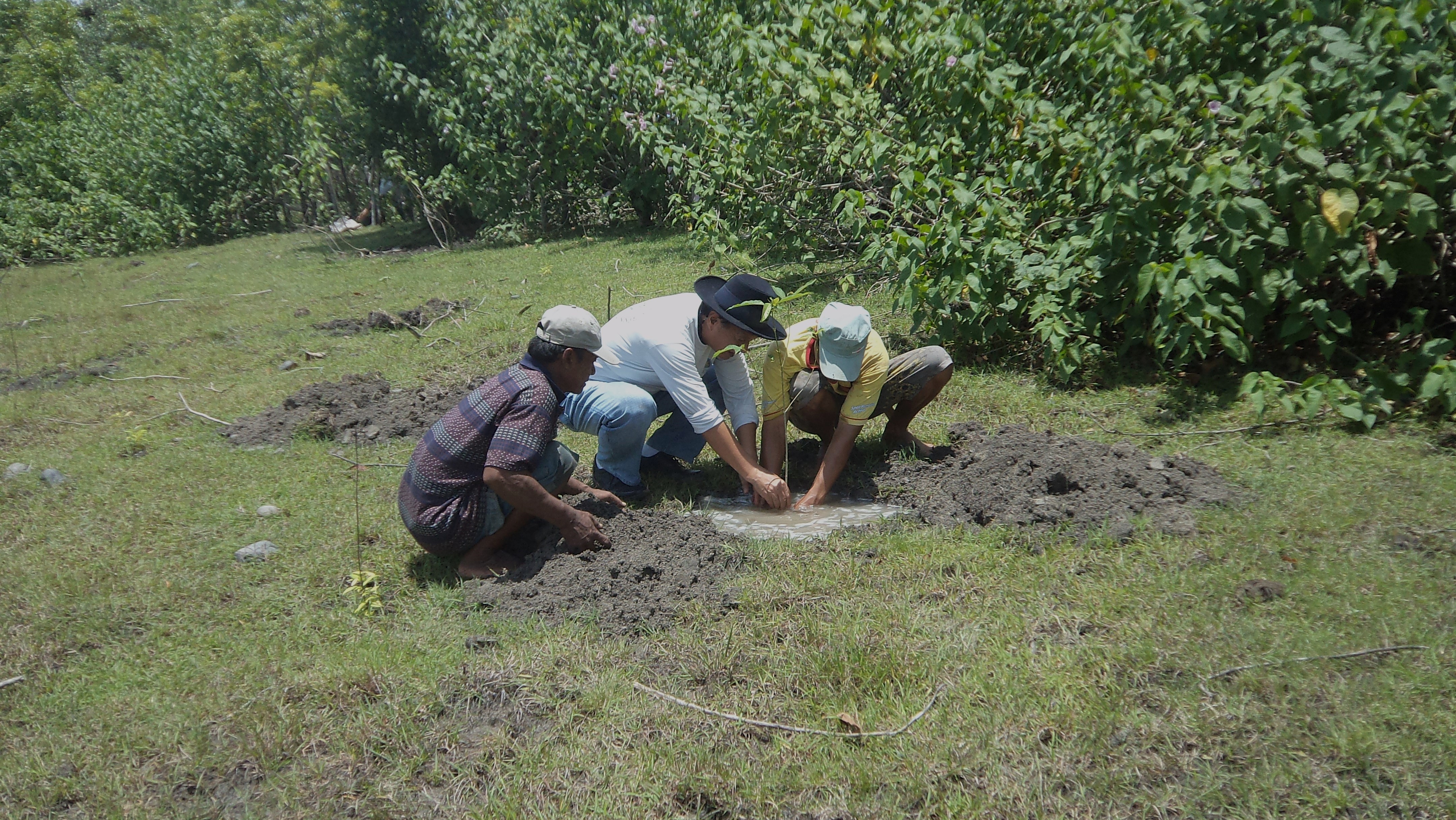
In our comprehensive conservation and restoration initiative, a long-term preservation plan takes center stage to ensure the sustained health and growth of restored ecosystems. Continuous evaluation and adaptation of reforestation techniques maximize ecological diversity, with a keen focus on assessing the social and economic benefits for local communities. Our commitment extends to measuring the project's impact on mitigating climate change through carbon sequestration and emissions reduction.
Beyond tree planting, our efforts address critical environmental challenges. Rainwater harvesting systems and sustainable water management practices are integral to our mission, preventing soil erosion and degradation through measures like contour farming and terracing. Community-based seed banks contribute to preserving diverse, regionally adapted plants. Identifying and protecting floodplain areas reduces downstream flood risks. Engaging in this initiative provides volunteers with hands-on learning, cultural immersion, personal growth, and a global perspective. The experience adds value to resumes, fosters a connection with nature, brings about community impact, and forges lasting friendships during a unique travel experience.
Goals
Our program goals geared towards fostering a lasting positive impact on the environment and the communities we engage with. Our foremost objective is the development and implementation of a comprehensive, long-term preservation plan, ensuring the sustained health and growth of the restored ecosystems. This involves a commitment to continuous evaluation of reforestation techniques, with a focus on adapting strategies to maximize ecological diversity and resilience.
Alongside with environmental goals, we are dedicated to enhancing the social and economic well-being of local communities. By improving water quality, enhancing livelihoods, and unlocking increased tourism potential, we aim to uplift the overall prosperity of the regions we work in. Additionally, our commitment to measuring the project's contribution to mitigating climate change involves a meticulous assessment of carbon sequestration and emissions reduction. Through these multifaceted initiatives, our program seeks to create a harmonious balance between environmental conservation and community empowerment.