Pandala, Takalar, South Sulawesi
Initial conditions
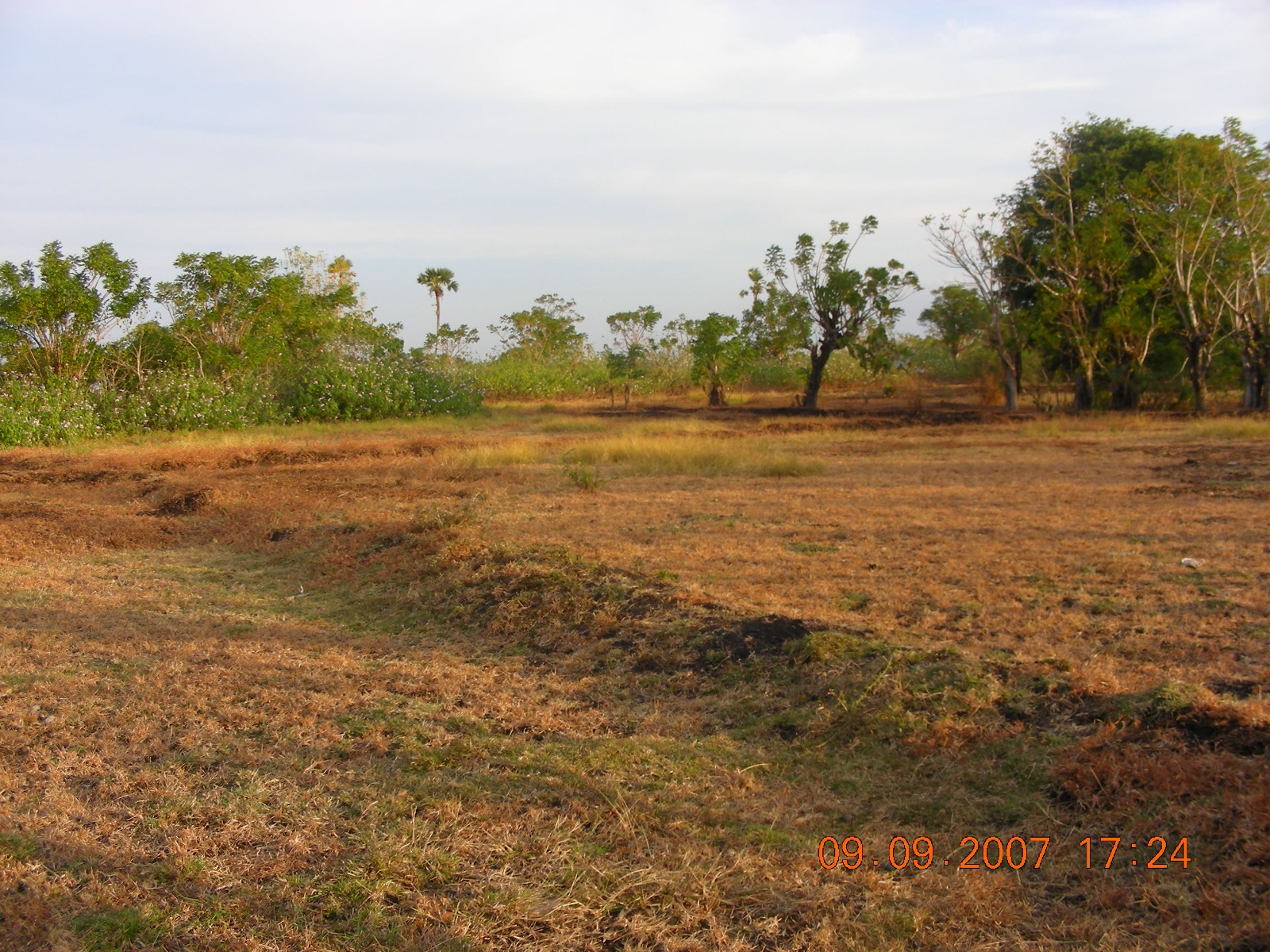
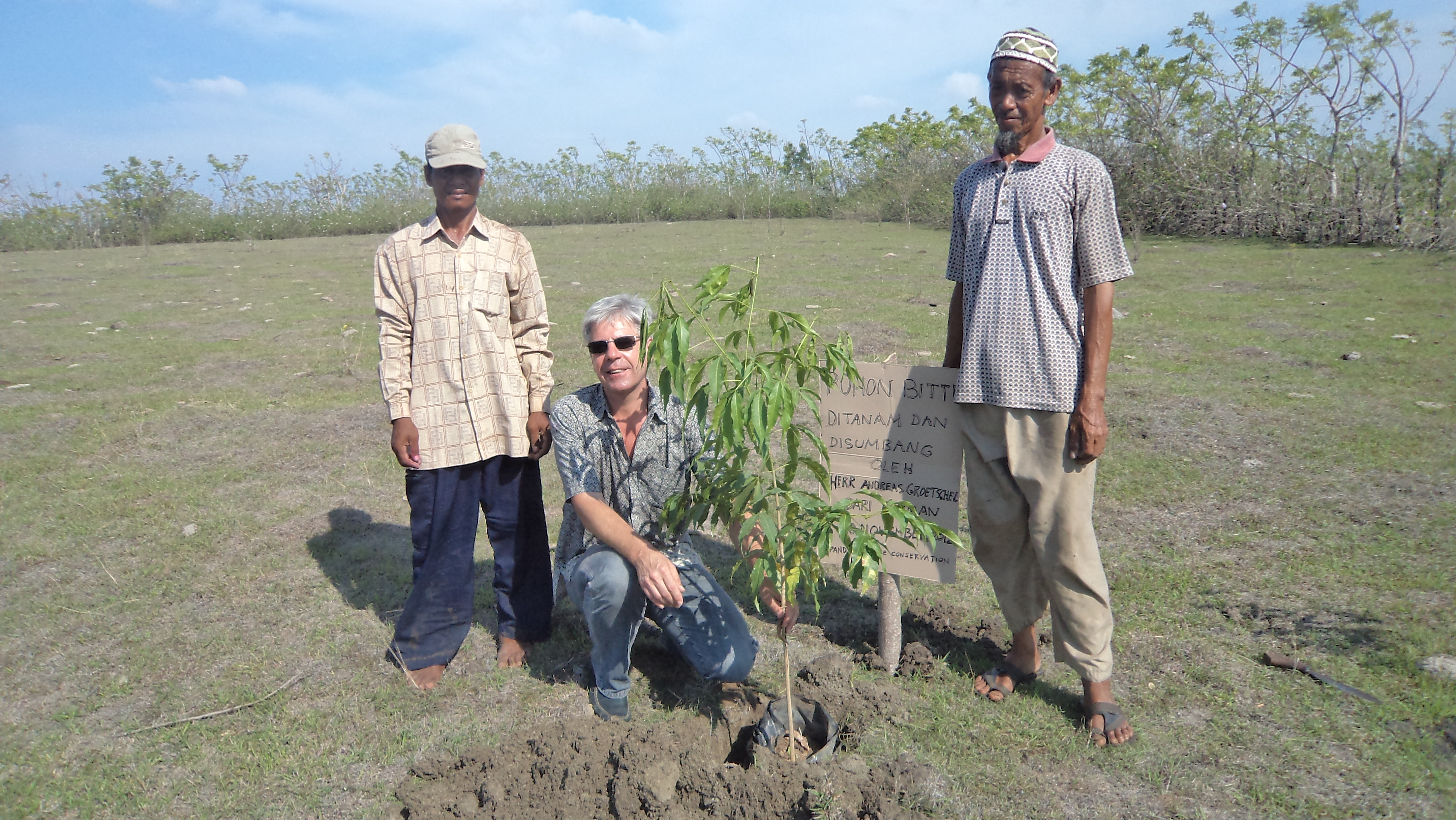
35,8 kilometers away from Makassar city , in 2007, on collaboration with the Takalar Regency Government, we initiated a Reforestation program utilizing our research subject, the Bitti tree (Vitex Copassus). The growth of Bitti in that location posed significant challenges due to its dense, non-water-retentive soil and extensive cracking during the dry season.
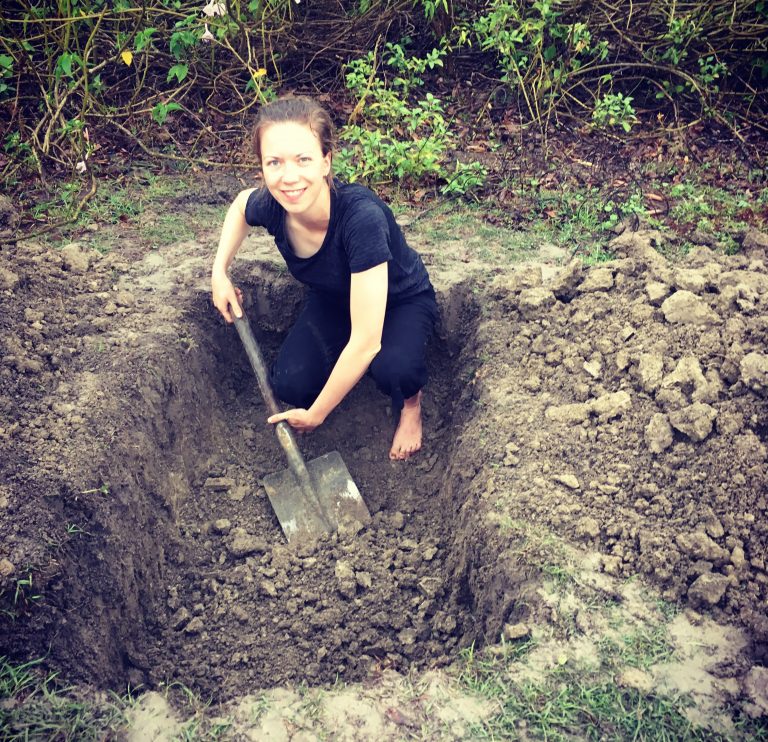
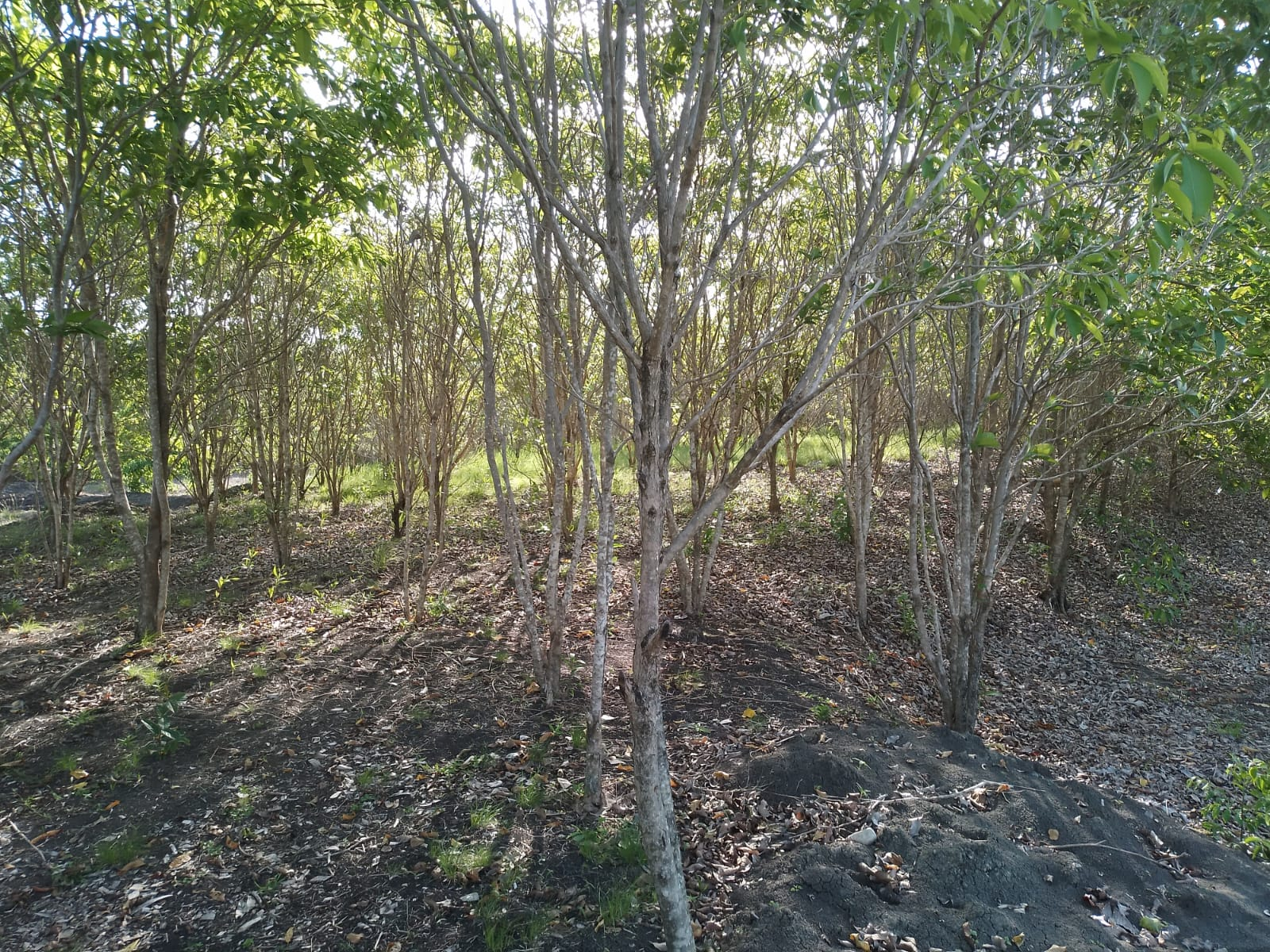
However, through unwavering efforts, several Bitti trees eventually thrived. During the Reforestation program, numerous volunteers from around the world actively participated, contributing to the project's success. Despite the arduous conditions, the collaborative spirit and determination of both the local community and international volunteers played a crucial role in overcoming adversities, fostering the growth of the Bitti trees, and promoting environmental sustainability in the region. This shared commitment and global participation under the transformative impact of collaborative conservation efforts on challenging ecosystems.
Reforestation
Reforestation stands as a pivotal initiative within our conservation endeavors, aiming to restore and replenish vital forest ecosystems. With a specific focus on the resilient Bitti tree (Vitex Copassus), our efforts in reforestation are rooted in a commitment to counteract deforestation's adverse effects on biodiversity and ecological balance.
The challenges encountered in fostering the growth of Bitti trees are emblematic of the broader issues faced in reforestation projects. The unforgiving, clayey soil, coupled with water scarcity and extensive cracking during dry spells, tests the resilience of both the trees and those involved in the restoration process. Despite these obstacles, our unwavering dedication, bolstered by the collaborative engagement of volunteers from diverse corners of the globe, has led to the triumphant growth of the Bitti tree.
Why Bitti Tree?
The profound significance of the Bitti tree extends beyond its botanical identity, encapsulating a rich tapestry of cultural heritage within the Bugis and Makassar communities. Revered for their seafaring traditions, these communities have long relied on the Bitti tree as a primary material for crafting the iconic Pinisi boats, a symbol of maritime prowess and cultural continuity. As Indonesia, a nation woven together by over 17 thousand islands, embraces its maritime legacy, the traditional practice of constructing wooden vessels becomes an intrinsic part of its cultural fabric.
However, the cultural reliance on Bitti wood has given rise to a pressing environmental concern — the intensive logging of these trees. This historical and deeply ingrained practice, while contributing to the preservation of cultural heritage, has inadvertently endangered the Bitti tree's population. The gradual depletion of Bitti wood under the delicate balance between cultural preservation and ecological responsibility. Therefore, the need for sustainable conservation initiatives becomes not just an ecological imperative but a cultural responsibility, ensuring that future generations can continue to sail the seas of tradition aboard vessels crafted from the resilient and storied Bitti wood.
Benefit and Impact
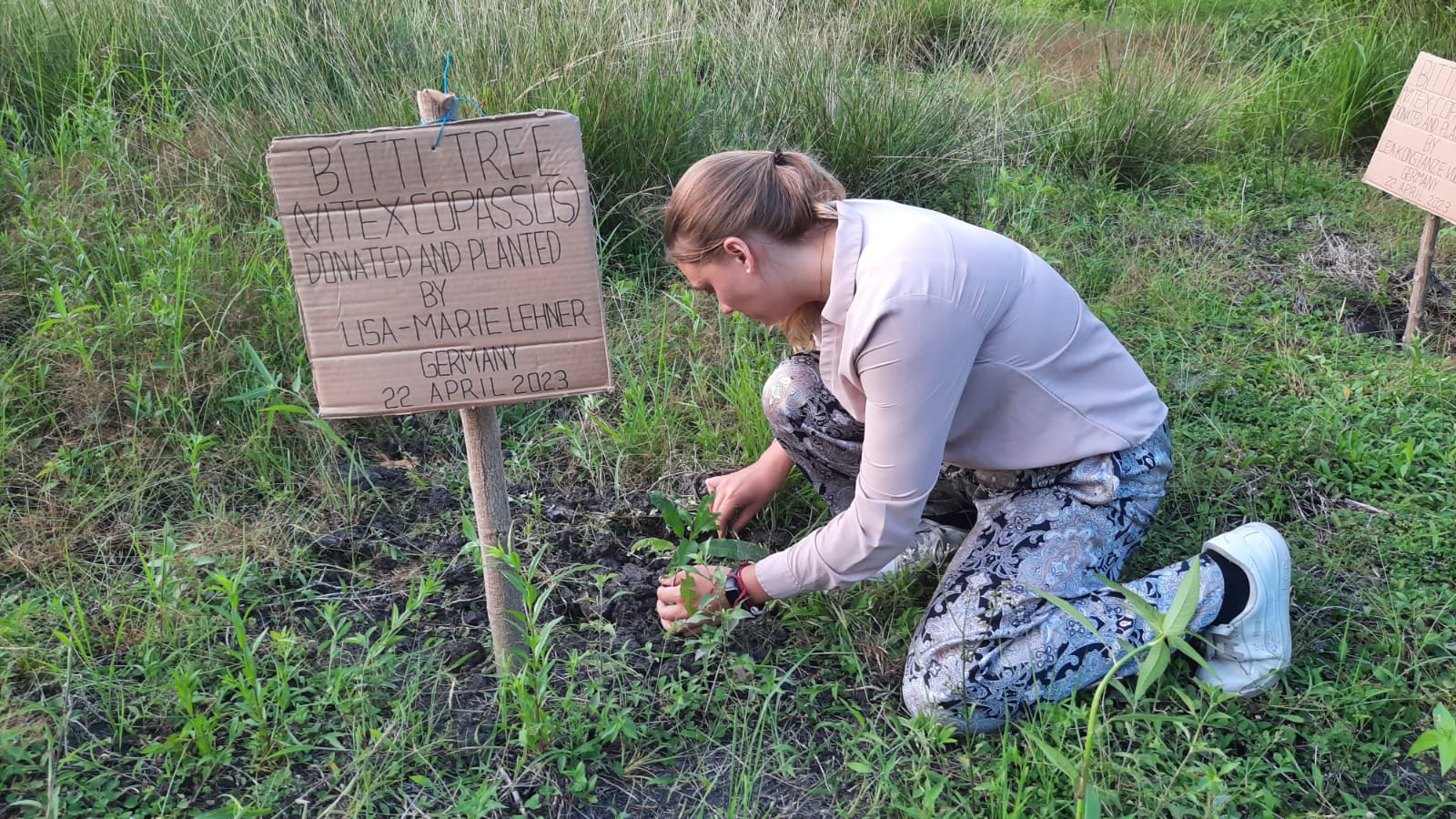
Nature Care Volunteering's Tree Planting Program involves a comprehensive sustainability plan for reforested areas, focusing on ecological impact monitoring, biodiversity enhancement, and carbon sequestration. The project evaluates social and economic benefits for local communities, including improved water quality, enhanced livelihoods, and increased tourism potential. Encouraging rain harvesting among local farmers contributes to environmental sustainability and community empowerment. This program offers more than skill development; it provides cultural immersion, resilience-building through overcoming challenges, and a global perspective on environmental issues.
Participating in our Tree Planting Program is an opportunity for personal growth, a deeper understanding of nature, and engagement with diverse communities. The impact extends beyond individuals, influencing communities and fostering overall well-being. In addition to these tangible benefits, the program creates a platform for forming lasting connections and friendships, building a community around shared values. Consider being part of this impactful journey, where every planted sapling signifies a positive step toward a greener, more sustainable future.
Goals
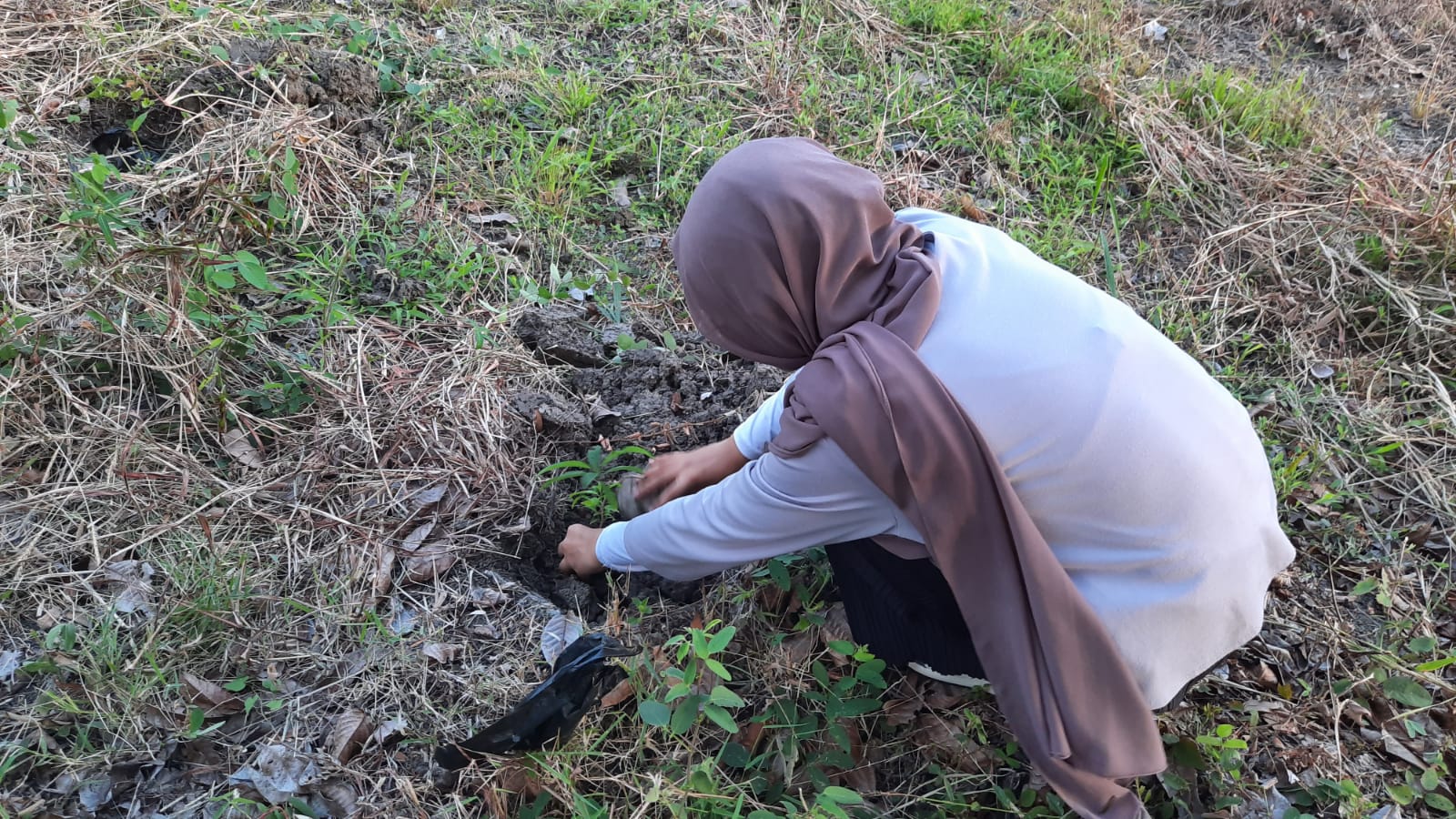
A specific and pivotal objective within our Tree Planting Program is the targeted increase in the overall tree cover. This strategic initiative plays a crucial role in the fight against climate change by actively capturing and storing carbon dioxide from the atmosphere. Through the systematic planting of trees, our project makes a meaningful and sustainable contribution to carbon sequestration, mitigating the effects of global warming. The deliberate expansion of green cover not only enhances the aesthetics of the landscape but, more significantly, reinforces our commitment to environmental conservation and the creation of a healthier, more resilient planet for current and future generations.